
Where Bromine Fits in Water Treatment
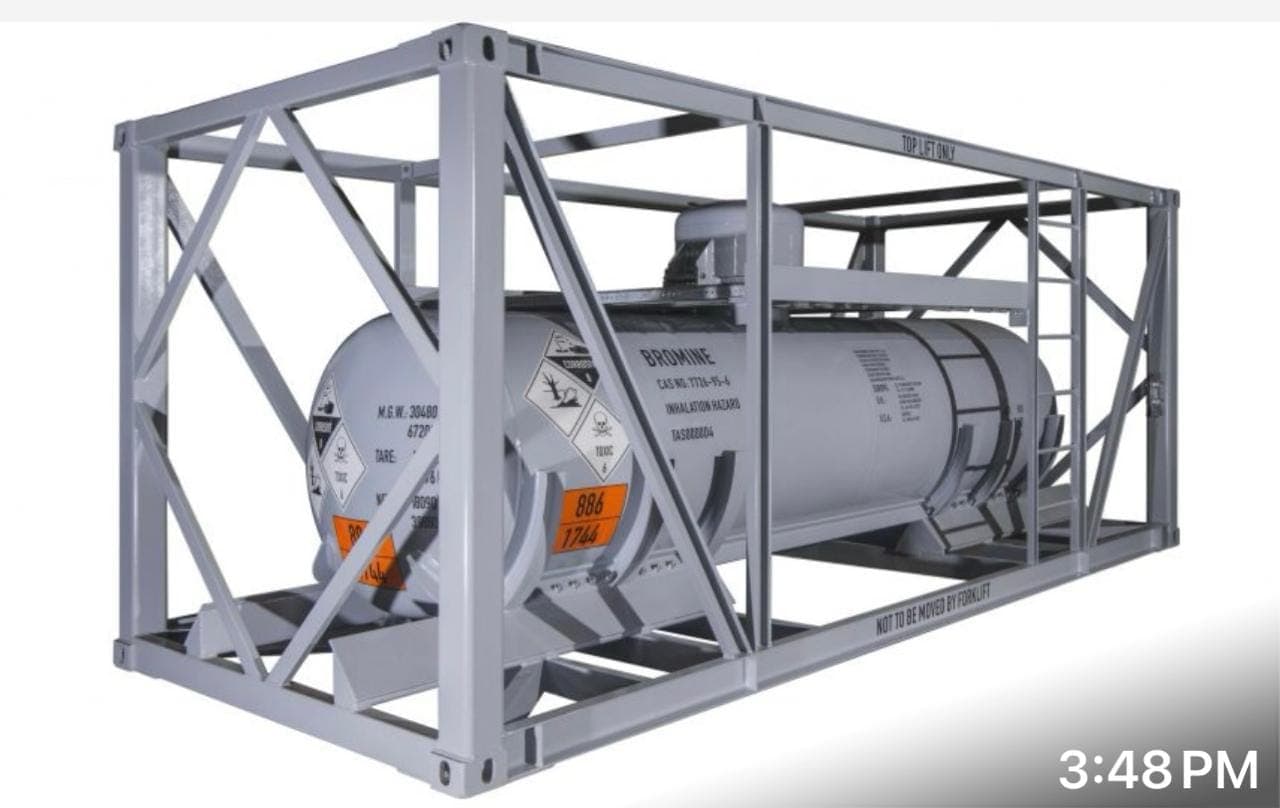
Halogen-based disinfection has been the backbone of water treatment for a century, and chlorine is still the default most people picture. But bromine chemistry occupies a well-established place of its own, particularly in settings where chlorine's limitations - pH sensitivity, off-gassing, and strong odor - become operational problems rather than minor inconveniences.
The underlying chemistry is similar to chlorine's: in water, bromine forms hypobromous acid, an effective biocide against the bacteria, algae, and biofilm that treatment systems are designed to control. Where bromine distinguishes itself is in how that activity holds up under real operating conditions. It remains an effective disinfectant across a wider pH range than chlorine, which matters in systems that run naturally alkaline. It is also less volatile in warm water, so less of the active disinfectant is lost to off-gassing - a meaningful difference in systems that operate at elevated temperatures.
In practice, this makes bromine-based treatment a common fit for industrial cooling towers and cooling water systems, where warm, recirculating, often slightly alkaline water is exactly the environment where chlorine underperforms. It shows up in a similar role in some pulp and paper mill water systems and other industrial process water applications, and bromine compounds are also well known in pool and spa water treatment, where the milder odor profile compared to chlorine is often part of the appeal.
None of this makes bromine a drop-in replacement for chlorine - it's a different chemistry with its own handling requirements, and the two aren't interchangeable without re-evaluating a system's dosing and materials. Liquid bromine is corrosive and needs to be stored, transferred, and dosed through equipment rated for it; retrofitting a chlorine-designed system without accounting for that is how avoidable corrosion problems happen. Dosing systems feeding from liquid bromine should be specified for the chemistry from the outset, with materials selected accordingly and metering calibrated to the purity of the material actually being fed.
That last point is where supply quality starts to matter as much as the chemistry itself. Dosing calculations in a treatment program are only as reliable as the purity of the bromine going into them - inconsistent purity between batches means a treatment operator is effectively re-calibrating every time a new shipment arrives, which is both inefficient and a compliance headache if the facility is subject to regulatory reporting. A Certificate of Analysis for every batch, not just an occasional spot check, is what lets an operator treat the dosing math as settled rather than a moving target.
Operators running a bromine-based program also need a monitoring routine to go with the dosing, not just a feed rate set and left alone. Residual bromine is typically checked with halogen test kits or inline monitoring instruments to confirm the treatment is sitting within an effective range - under-dosing lets biological activity creep back, and over-dosing adds cost and, in systems that discharge treated water, can push residual levels past permitted limits. Facilities operating under a discharge consent or similar regulatory requirement should treat residual monitoring as a compliance control, not just a water-quality check.
None of this means bromine is the right choice for every system, and it's worth being direct about where the trade-off actually favors it. Warm, recirculating, or mildly alkaline systems - cooling towers being the clearest example - are where bromine's stability and reduced off-gassing earn their keep. Large municipal systems running on cost-per-volume at scale, by contrast, often stay with chlorine simply because the infrastructure and economics are already built around it. The practical takeaway for an operator evaluating a change isn't that one chemistry is universally better, but that the conditions a system actually runs under - pH, temperature, odor sensitivity, and existing dosing infrastructure - should drive the decision.
The other operational reality for treatment facilities is that disinfection can't pause. A plant running a continuous or near-continuous treatment program needs a supply relationship that's built around that - realistic lead times, dispatch planning that accounts for the facility's actual consumption rate, and a supplier who can move between bottled quantities for smaller systems and ISO tank volumes for larger ones without the buyer having to manage two separate vendor relationships.
For a treatment operator evaluating bromine as part of a disinfection program, the chemistry case is well established. The part worth spending more time on is the supply side: consistent purity with batch-level documentation, dosing equipment specified for bromine's corrosivity rather than adapted from a chlorine setup, and a supplier able to plan dispatch around a schedule that doesn't have room for interruption.