
Safe Storage & Handling of Liquid Bromine
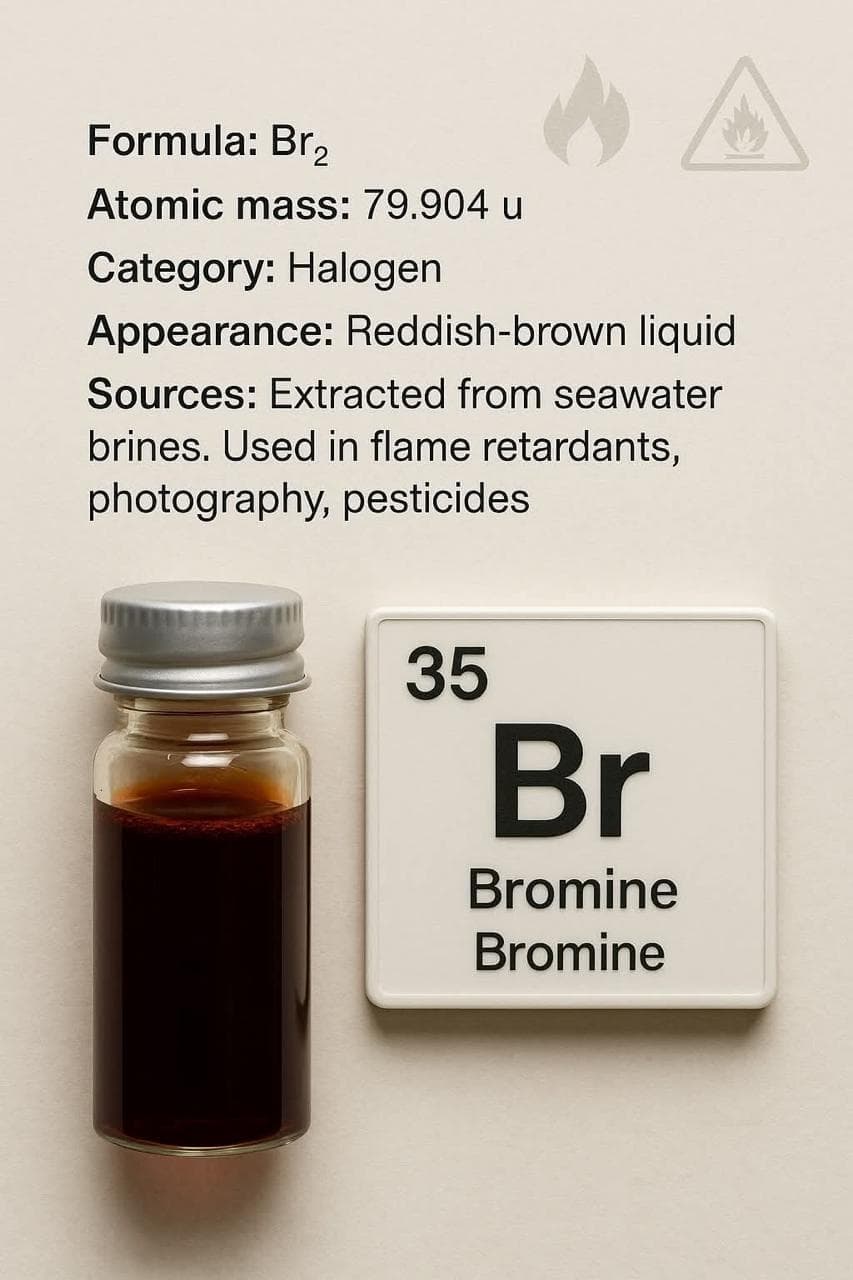
Liquid bromine (Br₂) is a dense, dark reddish-brown fuming liquid and one of the few elements that is liquid at room temperature. It is also a hazard class 8 corrosive, reactive with a wide range of organic and reducing materials, and capable of producing irritating fumes on exposure to air. None of that makes it difficult to work with - but it does mean storage and handling have to be planned deliberately rather than treated as an afterthought once a shipment arrives.
Storage starts with location and compatibility. Bromine should be kept in a cool, dry, well-ventilated area, shielded from direct sunlight and away from heat sources - temperature swings increase internal pressure in sealed containers and accelerate fuming if a seal is compromised. Just as importantly, it needs to be stored away from combustible materials, organic solvents, and reducing agents such as metals, ammonia, or hydrocarbons, since bromine reacts readily with many of them. Storage areas are usually designated and signed separately from general chemical storage for this reason, with secondary containment in place to catch any leak before it spreads.
Container choice matters as much as the storage room itself. Bromine is aggressive toward most common metals and many plastics, which is why it is supplied in UN-approved glass bottles (packed in HDPE crates for secondary protection during handling and transport) for smaller volumes, or in purpose-built ISO tank containers for bulk and recurring orders. Whichever format arrives, the first step on receipt should be a visual check: intact seals, legible UN1744 markings, no visible staining or fuming around the closure, and labeling that matches the accompanying paperwork. A packaging issue is far easier to flag at the dock than after material has been moved into your own storage.
Handling liquid bromine - decanting, dosing, or connecting a tank for transfer - should only be done by trained personnel wearing the right protective equipment: acid-resistant gloves, chemical splash goggles or a full face shield, and, in enclosed or poorly ventilated spaces, respiratory protection appropriate to bromine vapor. Transfers should happen in a dedicated, ventilated area with spill containment underneath, using pumps, valves, and hose fittings rated for bromine's corrosivity - standard fittings degrade quickly and are a common source of avoidable leaks. Static bonding and grounding between containers is also standard practice during transfer, given bromine's reactivity.
Even with good procedure, a written spill response plan is worth having before you ever need it. At minimum that means knowing where bromine-compatible absorbent and neutralizing agents are kept, having a clear evacuation and ventilation protocol for the storage area, and knowing in advance when a spill needs to be escalated to emergency services rather than handled in-house. This should be built directly from the Safety Data Sheet for the specific grade you're holding, not a generic chemical-spill checklist - bromine's reactivity profile is distinct enough that it deserves its own plan.
Documentation is the other half of safe handling, and it starts before the material even arrives. Every shipment of liquid bromine should travel with a current Safety Data Sheet and proper dangerous-goods transport documentation reflecting its UN1744 classification and hazard class 8 status, whether it's moving domestically or being exported. Buyers evaluating a new supplier should treat the consistency of this paperwork as a signal in itself: a supplier that provides batch-specific documentation as a matter of course, rather than only when asked, is usually one that takes handling seriously on their own end too.
Compliance is the layer that sits above day-to-day procedure. Bromine should be labeled according to GHS requirements - corrosive pictogram, correct hazard and precautionary statements - on every container that leaves the original packaging, and the current SDS should be accessible to anyone who might handle or transfer it, not filed away where only a supervisor can find it. Personnel who handle bromine directly should have documented training on the material specifically, with periodic refreshers, rather than relying on general chemical-safety induction alone. If your facility is ever audited on hazardous materials handling, this is usually the first paperwork trail an inspector will ask for.
Environmental containment deserves the same attention as personnel safety. Storage areas should sit on bunded or otherwise contained flooring so that a leak is captured rather than reaching open drains, groundwater, or a nearby waterway - a contained spill is a cleanup; an uncontained one is a reportable environmental incident, with the cost and regulatory exposure that comes with it. For larger bulk storage, some facilities add vapor-suppressing covers or local scrubbing to limit fuming into the surrounding area, particularly where storage sits close to occupied spaces.
Finally, treat stored bromine as something to actively manage, not just hold. Containers and tanks that aren't in active use should still be visually inspected on a regular schedule for corrosion, seal degradation, or pressure changes - problems are far easier to catch early than after a container has been sitting untouched for months. Pairing that with first-in-first-out stock rotation and restricting storage-area access to personnel specifically trained on bromine keeps both the inventory and the risk profile under control.
None of this is meant to be a substitute for the Safety Data Sheet of the specific product you're handling, or for your local regulations on corrosive and hazardous materials storage - both should always take precedence. But if you're setting up a storage and handling process for the first time, or reviewing an existing one, the points above cover the areas most worth getting right: location and compatibility, container integrity on arrival, trained handling with the correct PPE, a spill plan specific to bromine, and documentation that travels with every batch.